Introduction: A New Fashion Era Has Arrived
The year 2025 marks a defining moment in the evolution of fashion. Although technology has been influencing the industry for decades, what we are seeing now is a deeper fusion—one that goes beyond smart wearables or automated factories. Artificial intelligence has officially become a co-creator in fashion. Designers, brands, manufacturers, and even customers are participating in an entirely new fashion ecosystem powered by algorithms, data models, and AI creativity.
In 2025, AI-designed fashion is not just a novelty. It has expanded into a full-scale revolution shaping everything from runway looks to everyday apparel. Major fashion houses are collaborating with tech firms. Startups are building AI-powered design labs. Retailers are using prediction algorithms to understand what people will want to wear weeks before trends emerge. Consumers are using AI-driven apps to generate personalized outfits that reflect their identities, body types, and lifestyles.
This post explores how AI is transforming fashion in 2025—from digital couture to real-world manufacturing, virtual try-ons, sustainability, supply chain innovation, and even the psychology of
1. AI as a Creative Partner: A New Type of Designer
AI tools like Midjourney, DALL·E, StyleGAN, TensorFlow, and proprietary brand algorithms have become standard in modern fashion studios. Instead of replacing designers, AI acts as a creative assistant.
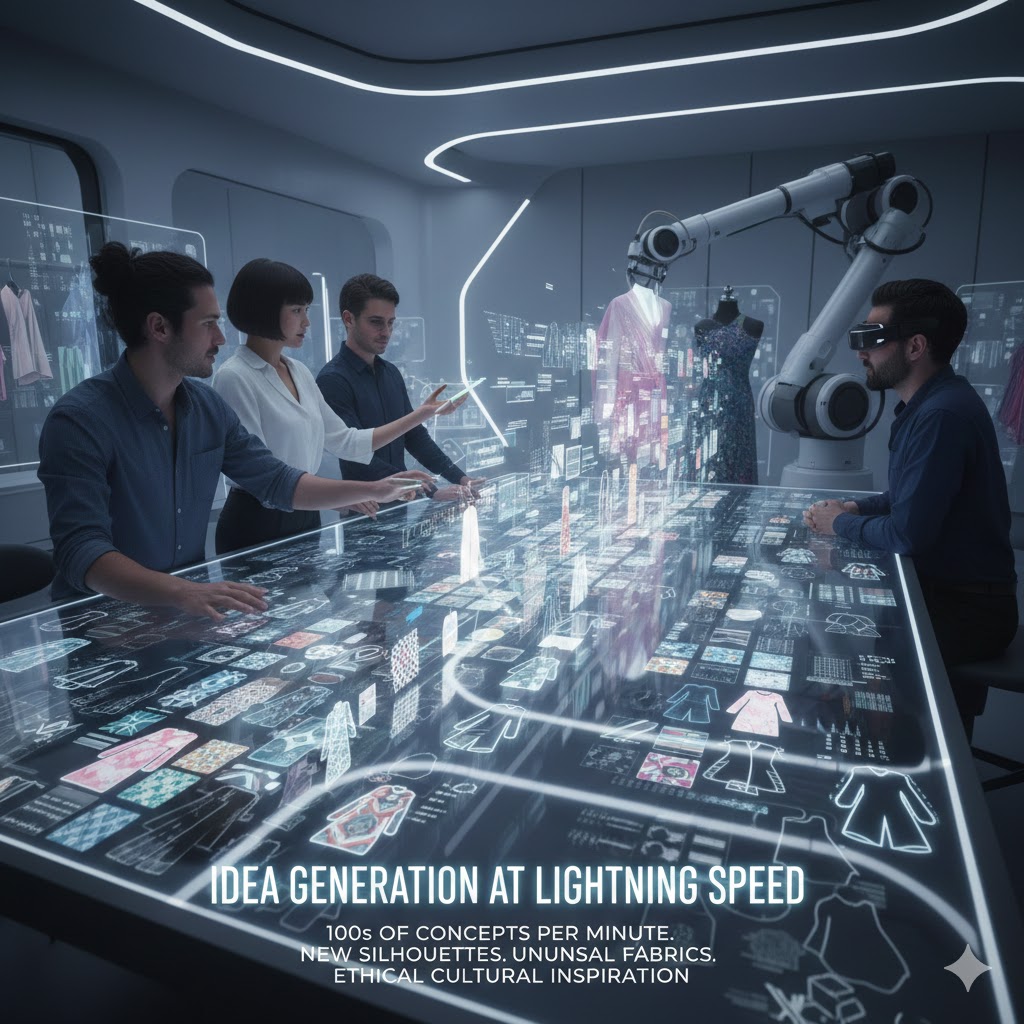
1.1 Idea Generation at Lightning Speed
While a human designer might sketch ten concepts in a day, AI can produce hundreds in minutes. This sheer volume of ideas allows designers to:
explore new silhouettes
experiment with colors
try unusual fabric combinations
explore cultural inspirations ethically
What once took weeks of brainstorming can now be previewed instantly.
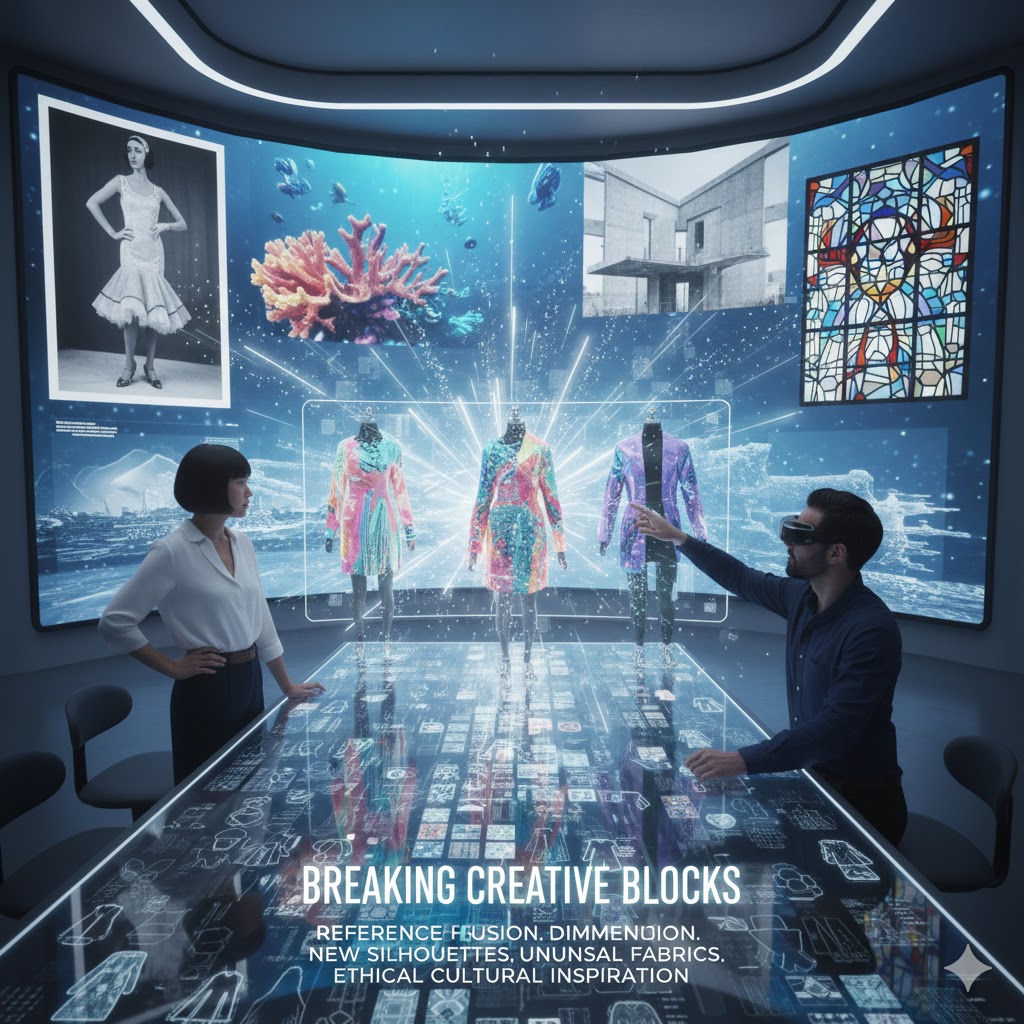
1.2 Breaking Creative Block
Designers often use AI during creative blocks. By feeding references—vintage silhouettes, runway favorites, streetwear photos—AI generates fresh interpretations that push the boundaries of imagination.
1.3 Unique Hybrid Aesthetic
AI creativity doesn’t think the way humans do, and that’s its magic.
It blends styles unexpectedly:
Victorian + cyberpunk
Minimalism + Baroque
Indian traditional + Scandinavian modernism
This hybrid aesthetic has sparked new micro-trends and collections in 2025.
2. Personalized Fashion: AI Tailoring for Every Body
One of the biggest breakthroughs of AI-driven fashion is personalization.
2025 fashion consumers demand clothing that fits, flatters, and represents their individuality.
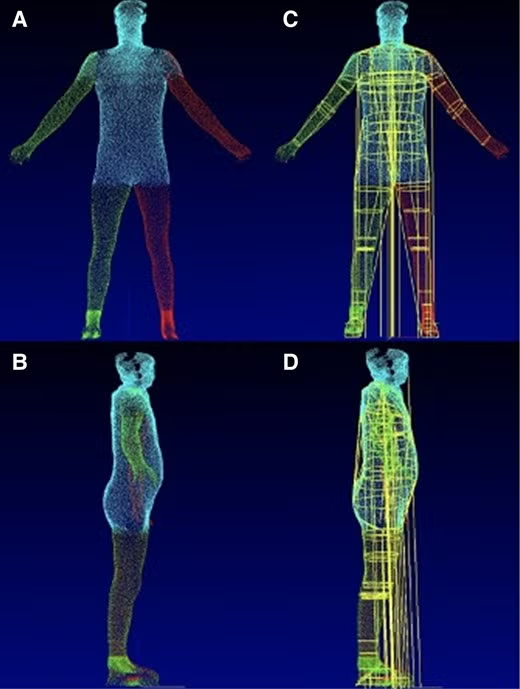
2.1 AI Body Scanning
Using smartphone apps, people can now scan their bodies in 60 seconds.
AI captures precise body dimensions, posture patterns, shoulder slopes, and weight distributions.
These scans allow brands to create:
perfectly fitted jeans
custom suits
ergonomic footwear
bralettes that actually fit
The result? Fewer returns, happier buyers, and clothes that feel tailor-made.
2.2 Hyper-Personalized Style Recommendations
AI has redefined shopping. With algorithms analyzing your:
Pinterest saves
Instagram likes
previous purchases
color preferences
lifestyle patterns
…it can recommend outfits with stunning accuracy.
Your wardrobe becomes a reflection of you, not a generic trend board.
3. AI in Sustainable Fashion
Sustainability is no longer optional. AI is helping solve one of fashion’s biggest problems: waste.
3.1 Predicting Trend Cycles Responsibly
AI forecasts what styles will sell and in what quantities.
Brands can produce only what will actually be purchased, reducing overproduction.
3.2 Smarter Material Use
AI layout systems optimize fabric cutting patterns.
This eliminates unnecessary waste by arranging pattern pieces in the most compact layout possible.
3.3 Eco-Friendly Material Discovery
AI helps chemists develop:
biodegradable fabrics
lab-grown leather
plant-based dyes
temperature-regulating fibers
These innovations protect the planet without sacrificing aesthetics.
4. Virtual Try-Ons: Fashion Without Leaving Home
2025 fashion includes an entirely new type of mirror: the digital one.
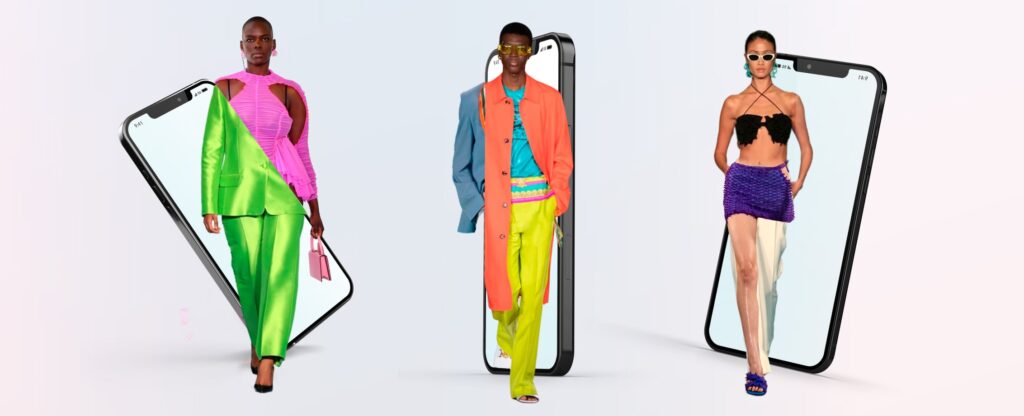
4.1 AR Clothing Try-Ons
Augmented reality apps let users visualize how an outfit looks on their:
body type
skin tone
hair color
proportions
This removes the hesitation of online shopping.
4.2 Virtual Wardrobes
People can upload photos of their clothes and mix-and-match using AI.
The wardrobe essentially becomes a personal stylist, suggesting outfits for:
work
dates
travel
festivals
weddings
The fashion world becomes smarter and more intuitive.
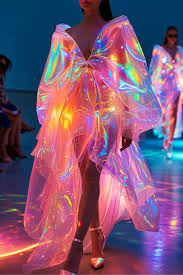
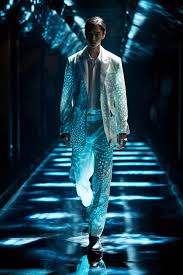
5. AI on the Runway: Digital Couture Takes Over
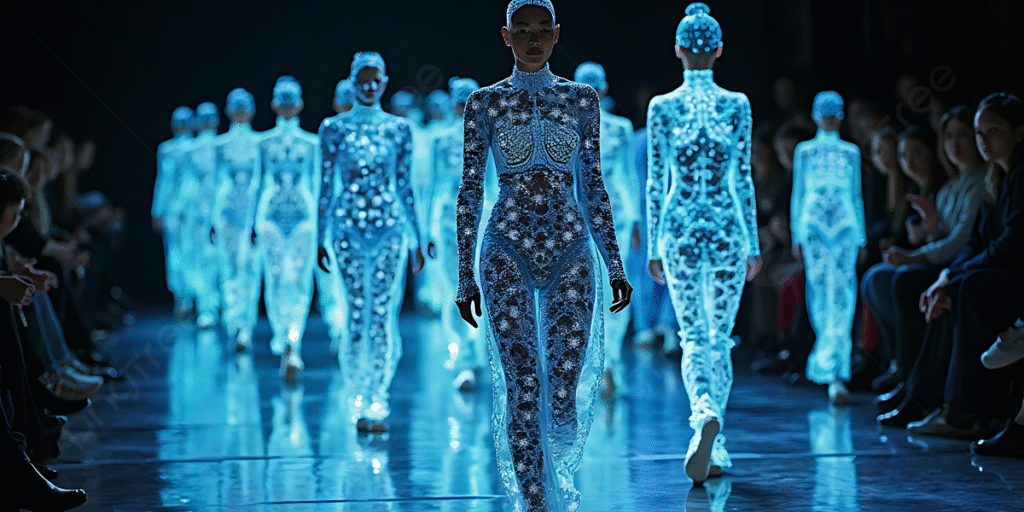
5.1 Virtual Runways
Brands host digital catwalks where:
models are 3D generated
outfits change dynamically
environments evolve mid-show
A desert runway can transform into a snowy mountain in 5 seconds.
5.2 Interactive Shows
Viewers can:
zoom in on fabrics
rotate looks
click to buy instantly
Fashion is no longer passive—it’s immersive.